.jpeg)
Education should be enjoyable for students. With time, learning needs are changing, and there is a tendency to move away from the traditional approach and focus on teaching through play and making education relevant and engaging.
Today, the idea of learning without burden has become one of the key goals in educational institutions. Thanks to a well-developed and implemented child-centric approach and the CBSE school curriculum, it has become possible to make the learning process fun and meaningful.
Previously, people used academic grades and test results to measure success. Although it worked fine for evaluating acquired knowledge, the system did not allow the students to demonstrate creativity and independent thinking.
Today, parents and teachers realise that learning without burden means that kids will be able to acquire knowledge and apply it to different situations successfully. In addition, high academic load and too much stress might negatively influence self-esteem, interest, and creativity.
The philosophy of learning without burden does not mean that educational standards will drop. Instead, this term denotes the ability to provide relevant and interesting lessons.
Students should be encouraged to:
When kids start enjoying classes and find learning meaningful, they become interested in it automatically. That is why learning without burden is considered one of the main objectives of progressive educational institutions.
Implementing a child-centric approach is all about putting students at the centre of attention. Instead of applying a common method to every single person, it is necessary to pay close attention to their needs, interests, and peculiarities.
When implementing the child-centric approach, teachers will not only deliver new knowledge but also serve as facilitators.
Active Participation
Kids take part in various discussions, present projects, and collaborate on completing tasks.
Individual Approach
Different learners have opportunities to learn based on their personal abilities and speed.
Promoting Curiosity
Teachers encourage questions and provide answers so that everyone can satisfy their curiosities.
With a child-centric approach, it becomes easier to motivate students and encourage them to participate actively in the learning process.
The CBSE school curriculum framework has undergone numerous transformations recently. Now, the main focus is on developing competencies and life skills in addition to providing theoretical information. In contrast to the conventional CBSE school curriculum, the modern approach to teaching suggests using practice and activities. The key areas of improvement include:
All these changes have helped the CBSE school curriculum to get closer to learning without burden.
The main feature of a contemporary CBSE school curriculum is its ability to develop understanding and competence. Children do not have to memorize everything anymore. Instead, it becomes possible to ask questions and explore a particular topic independently.
Learning how science concepts work can be achieved through experiments, solving math problems with the help of everyday examples, and analysing historical events during discussions. It makes lessons engaging and interesting. Combining a child-centric approach and learning without burden, the modern CBSE school curriculum gives a chance to form skills that will remain useful throughout one's entire life.
Besides acquiring knowledge and passing exams, kids have to build their personalities and develop different competencies. Every child has some unique talents, and it is necessary to promote their development while preparing kids for the future. That is why education should be holistic. The CBSE school curriculum framework also suggests this approach.
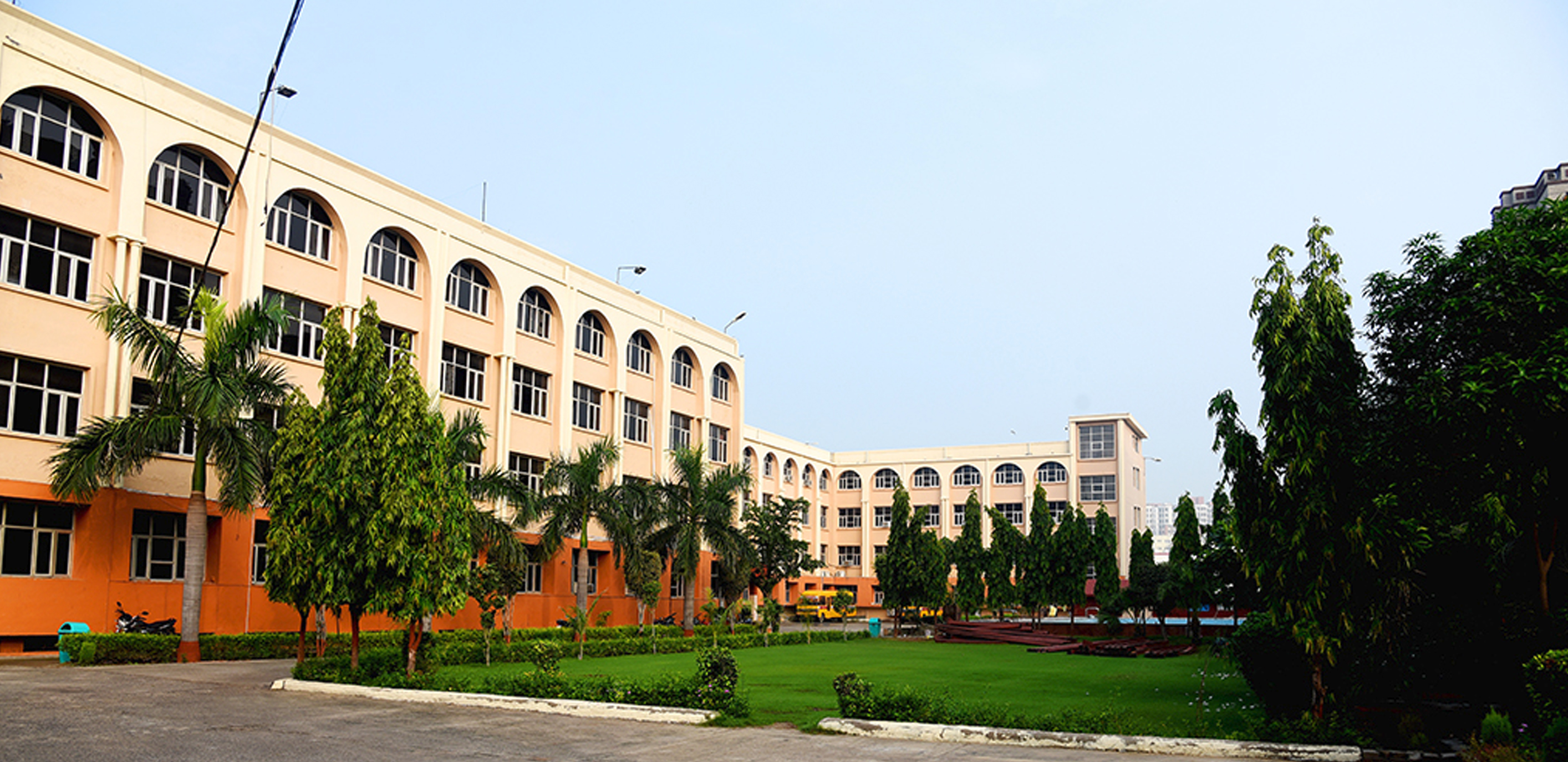
Sparsh International School implements a vision that suggests giving students an opportunity to learn without burden.
With a strong child-centric approach, students become motivated and active participants in the class. Through activities, storytelling, experiential activities, and skills-based development, kids get a chance to learn how to use creativity and show curiosity. Thanks to a research-based 3C Model – Character, Competencies, and Careerism – Sparsh International School helps kids acquire the knowledge and skills required for a prosperous life in the future.
Every kid deserves a chance to enjoy the studying process and demonstrate creativity. A combination of a child-centric approach and learning without burden allows for reducing stress and increasing motivation.
A modern CBSE school curriculum gives the chance to develop skills that will be useful in the future. That is why a modern approach is worth applying in any educational institution. Make your children happy and give them the ability to express their thoughts freely. See how Sparsh International School develops academic competencies and personalities of the children.
Ans: Learning without burden focuses on reducing unnecessary academic pressure while improving conceptual understanding, engagement, and overall student development.
Ans: A child-centric approach helps teachers address individual learning needs and encourages students to participate actively in the learning process.
Ans: The CBSE curriculum promotes competency-based learning, skill development, creativity, and experiential education alongside academic achievement.
Ans: Yes, students often perform better when they understand concepts deeply and remain actively engaged in classroom activities.
Ans: Using a student-oriented approach, activity-based pedagogy, and the 3C model, Sparsh International School supports the holistic development of kids.
Ans: A child-centric CBSE school nurtures both academic excellence and overall personality development. By focusing on individual learning needs, creativity, emotional well-being and practical skills, schools like Sparsh International School prepare students to succeed confidently in higher education and future careers.
From Stress to Strength Promoting Mental Health in the Classroom
Parent's Checklist: Finding the Perfect School in Greater Noida
Creating a Supportive Environment Understanding the Role of Counsellors in CBSE Schools
Importance of Education for All Round Development of Children
Positive and Negative Effects of Social Media on Education
Fostering Critical Thinking Skills in CBSE Classrooms